Categories: Articles, Featured Category,
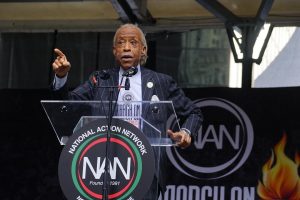
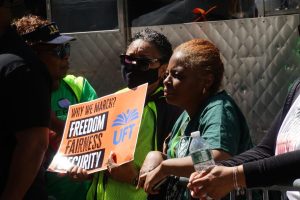
On August 28, 2025, Rev. Al Sharpton and the National Action Network (NAN) led a powerful March on Wall Street, drawing hundreds of demonstrators to the heart of New York City’s financial district. Timed to coincide with the 62nd anniversary of the historic 1963 March on Washington, this modern-day protest channeled the spirit of Dr. Martin Luther King Jr. while shifting the focus from political power to economic justice.
The march began at Foley Square and wound its way through Manhattan’s financial arteries, passing iconic landmarks like the Charging Bull statue before culminating in a rally filled with impassioned speeches. Rev. Sharpton, a longtime civil rights leader, declared, “Sixty-two years ago today, Dr. King marched in Washington. Sixty-two years later, the dream is not dead. We will march until we turn the economic inequality in this country around. We’re not going back”.
Speakers included grassroots activists, faith leaders, and representatives from labor unions and youth organizations. Their message was unified: corporate greed and government rollbacks of diversity, equity, and inclusion (DEI) programs are threatening the progress hard-won by generations of civil rights advocates. Sharpton called for a boycott of companies that had eliminated DEI initiatives following executive orders from President Trump, framing the issue as “the civil rights fight of our generation”.
The choice of Wall Street as the protest site was deliberate. Sharpton reminded attendees that “the first thing traded on Wall Street was Black bodies,” referencing the legacy of slavery and economic exploitation. “We’ve come back. The children of our ancestors are ready to spend our dollars. We’re not slaves anymore,” he said. Protesters held signs reading “Billionaires back off” and “We want economic justice,” while chants of “No justice, no peace” echoed through the streets.
The March on Wall Street is a symbolic evolution of the March on Washington. In 1963, over 250,000 people gathered at the Lincoln Memorial to demand civil and economic rights for African Americans. Dr. King’s iconic “I Have a Dream” speech became a cornerstone of American history. Today, Sharpton and NAN are reframing that legacy to confront the economic disparities that persist in modern America – from tax cuts benefiting the wealthy to cuts in Medicaid and food assistance programs.
The march also served as a call to action for corporate America. Sharpton urged businesses to resist federal pressure to dismantle DEI programs and instead embrace their role in shaping a fairer society. “Corporate elites are running America, and we want to try and do something about that,” said Jackie Barham, a marcher from Brooklyn.
As the crowd dispersed, the message was clear: the fight for justice is far from over. By marching on Wall Street, Rev. Sharpton and NAN reminded the nation that economic equity is inseparable from civil rights—and that the dream lives on, not just in Washington, but wherever injustice persists