Categories: Articles,
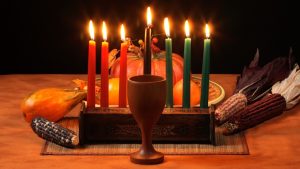
As the calendar turns to December 26th, homes across New York, begin to glow with the warmth of a celebration deeply rooted in African American heritage and culture: Kwanzaa. Born out of the civil rights movement, Kwanzaa is a weeklong observance from December 26 to January 1 that invites families, friends, and communities to reflect on seven core principles, honor ancestral legacy, and celebrate the beauty of African traditions.
Kwanzaa was founded in 1966 by Dr. Maulana Karenga, a scholar and activist, during a period when Black Americans sought to reclaim their cultural heritage and affirm their identity. The holiday’s name derives from the Swahili phrase matunda ya kwanza, meaning “first fruits,” a nod to traditional African harvest festivals. Dr. Karenga created Kwanzaa as a cultural, rather than religious, celebration, ensuring it could be embraced by people of all faiths within the African diaspora.
At its heart, Kwanzaa emphasizes the Nguzo Saba, or Seven Principles, which guide reflection and action throughout the week. These principles—Unity (Umoja), Self-Determination (Kujichagulia), Collective Work and Responsibility (Ujima), Cooperative Economics (Ujamaa), Purpose (Nia), Creativity (Kuumba), and Faith (Imani)—serve as a moral compass, offering lessons and inspiration for strengthening both individuals and communities.
In Harlem, the observance of Kwanzaa feels like a homecoming. The neighborhood has long been a bastion of Black excellence and cultural innovation, from the Harlem Renaissance to the civil rights movement. The celebration of Kwanzaa here ties together the threads of history, community, and hope. Kwanzaa gained traction in Harlem during the 1970s, when cultural institutions such as the Schomburg Center for Research in Black Culture and local community groups began hosting public events. These gatherings brought families together to light the Kinara (a seven-candle holder symbolizing the Seven Principles), share stories of ancestral triumphs, and commit to building a brighter future. Over the decades, Harlem’s Kwanzaa celebrations have grown into vibrant displays of unity, creativity, and purpose, blending the old with the new.
Kwanzaa is a joyful mix of cultural pride, family traditions, and communal gatherings. While each family may celebrate differently, several beloved customs remain universal.
Lighting the Kinara: Each evening, families light one of the seven candles on the Kinara. The black candle represents Unity, the red candles signify the struggle, and the green candles represent the hope and future of the African diaspora.
Community Events: Local institutions like the Apollo Theater and the Schomburg Center often host Kwanzaa performances featuring spoken word poetry, African drumming, and dance troupes. These events draw audiences from across New York City and remind attendees of the enduring power of cultural expression.
Storytelling and Reflection: Elders share stories of the African American experience, weaving in history, resilience, and the ongoing fight for justice. Families use these stories as teaching moments for younger generations, ensuring the legacy of their ancestors is never forgotten.
Feasts and Festivities: The Karamu (feast) on December 31 is a highlight of Kwanzaa in Harlem. Households and community groups come together to prepare dishes inspired by African and African American culinary traditions, such as collard greens, jollof rice, and fried plantains.
Marketplaces and Cooperative Economics: Kwanzaa markets, such as those held at Harlem’s Malcolm Shabazz Harlem Market, showcase Black artisans and entrepreneurs, offering handmade crafts, art, and books. These gatherings embody the principle of Ujamaa (Cooperative Economics), encouraging the support of Black-owned businesses.
Kwanzaa continues to thrive, not only as a celebration of African American culture but also as a call to action. In the face of modern challenges, from racial inequities to climate change, Harlem’s Kwanzaa gatherings emphasize the importance of unity, self-determination, and community responsibility. For many, the holiday serves as a time to pause, reconnect with their roots, and draw strength from a shared history.
As Kwanzaa’s candles burn brightly in windows across America, they illuminate a timeless message: that through unity, creativity, and faith, a community can overcome obstacles and build a future worthy of its ancestors’ dreams.
Whether you’re a lifelong participant or curious to learn more, Kwanzaa invites everyone to reflect on its principles and contribute to the collective work of uplifting the community. Remember the words of Dr. Karenga: “Kwanzaa is a celebration of family, community, and culture.” And in Harlem, that celebration shines with a unique brilliance, uniting the past, present, and future in a shared vision of dignity and joy.