Categories: Articles,
 Juneteenth, celebrated on June 19th, marks a pivotal moment in American history—the end of slavery in the United States. Though the Emancipation Proclamation was issued by President Abraham Lincoln on January 1, 1863, enslaved African Americans in Texas remained unaware of their freedom for more than two years. It wasn’t until June 19, 1865, when Union General Gordon Granger arrived in Galveston, Texas, and announced General Order No. 3, that the last remaining enslaved individuals learned they were free. This day became known as Juneteenth, a fusion of “June” and “nineteenth,” and has since grown into a powerful symbol of liberation and African American resilience.
For decades, Juneteenth was commemorated primarily within Black communities, especially in the South. Celebrations often included parades, music, storytelling, food, and prayer, honoring ancestors and reflecting on the long road from slavery to civil rights. In places like Harlem, New York, Juneteenth has been recognized and celebrated for generations. Harlem, with its deep cultural and historical significance in African American life, has hosted events ranging from street festivals to educational programs. These celebrations have helped keep the legacy of Juneteenth alive, promoting cultural pride and historical awareness long before national recognition.
The movement to make Juneteenth a national holiday gained momentum in the 21st century, driven by decades of advocacy and growing public awareness of racial injustice. Following the murder of George Floyd in 2020 and the nationwide protests that followed, support for Juneteenth as a federal holiday surged. It became a unifying call to not only honor the end of slavery but also confront the ongoing struggle for racial equity.
On June 17, 2021, President Joe Biden signed the Juneteenth National Independence Day Act into law, officially making Juneteenth a federal holiday. During the signing ceremony, President Biden called Juneteenth “a day of profound weight and power,” recognizing it as a moment for reflection, education, and celebration. Vice President Kamala Harris, the first Black and South Asian Vice President, also emphasized the holiday’s importance in understanding America’s full history.
The official recognition of Juneteenth as a federal holiday marked a significant milestone in American history. It gave national visibility to a story long celebrated in Black communities but often overlooked in mainstream narratives. It also provided an opportunity for Americans of all backgrounds to learn about the country’s complex legacy of slavery and freedom.
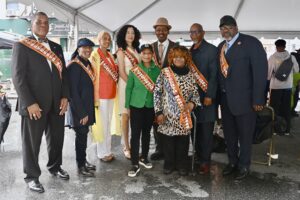
Today, Juneteenth is celebrated across the United States with cultural festivals, community gatherings, concerts, and educational events. In Harlem and other historically Black communities, the day remains a vibrant expression of heritage, unity, and hope. As Juneteenth continues to evolve, it stands not only as a commemoration of freedom delayed, but as a call to ensure that liberty, justice, and equality are truly enjoyed by all. Harlem celebrated Juneteenth with a parade and marketplace this past Sunday, June 15th.
Photos by:
Nadezda Tavodova Tezgor