Categories: Articles, commentary,
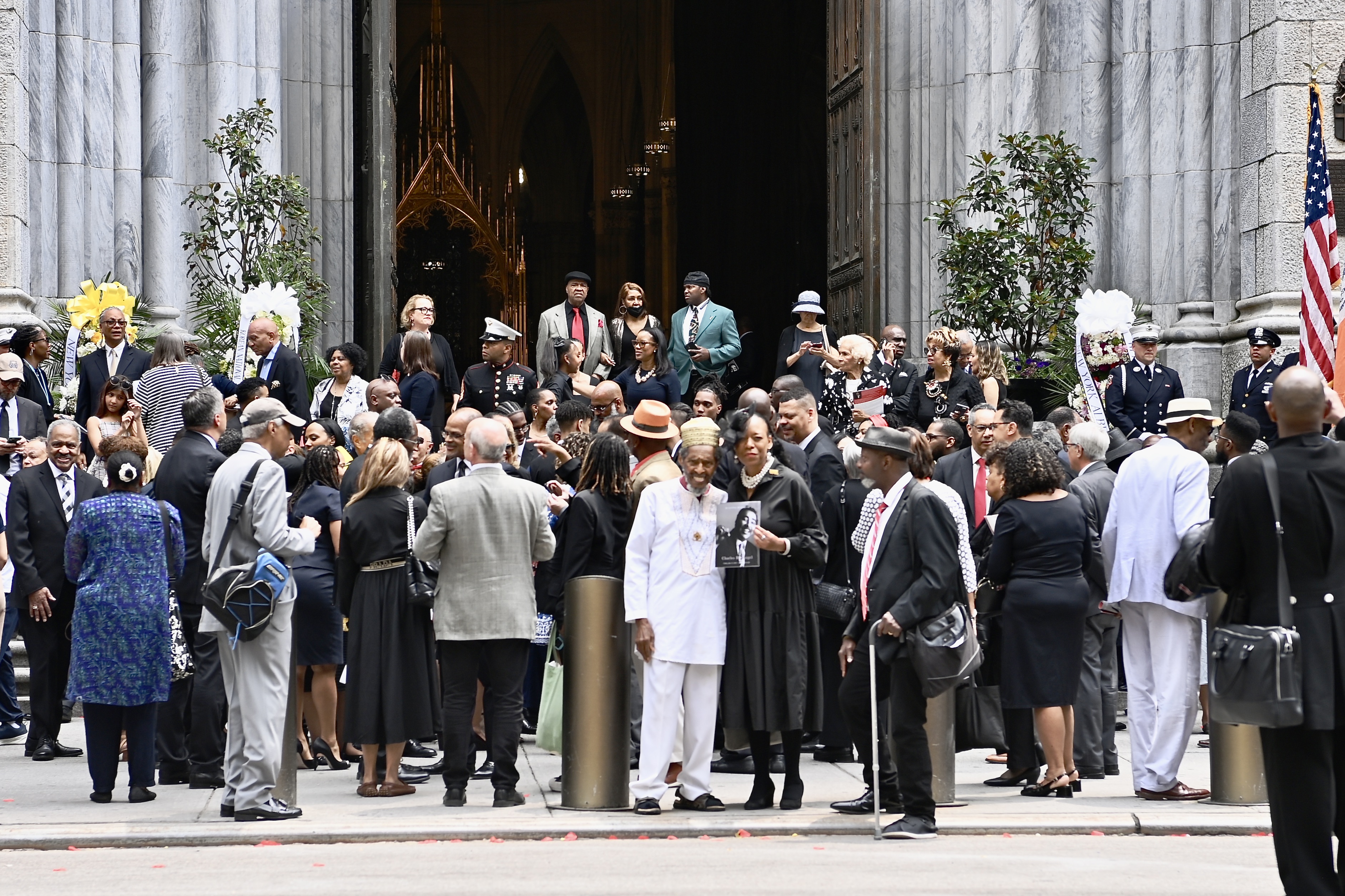
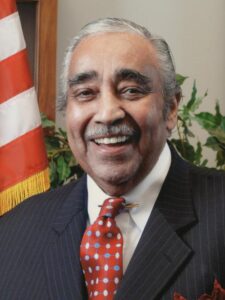 On June 13, 2025, a solemn and dignified funeral service was held at St. Patrick’s Cathedral in Manhattan to honor the life and legacy of former U.S. Representative Charles B. Rangel. The ceremony brought together political leaders, dignitaries, and community members to pay tribute to a man whose influence spanned nearly five decades in public service.
Born on June 11, 1930, in Harlem, New York, Charles B. Rangel rose from humble beginnings to become a towering figure in American politics. After serving in the U.S. Army during the Korean War, where he earned a Purple Heart and Bronze Star with Valor, Rangel pursued higher education, earning a law degree from St. John’s University. He began his political career in 1967 as a member of the New York State Assembly and made history in 1970 by defeating the legendary Adam Clayton Powell Jr. to represent Harlem in the U.S. House of Representatives
During his tenure in Congress, Rangel was a founding member of the Congressional Black Caucus and the first African American to chair the powerful House Ways and Means Committee. He was also a member of the “Gang of Four,” a group of influential African American political leaders from Harlem, alongside David Dinkins, Basil Paterson, and Percy Sutton. Rangel’s legislative achievements included efforts to combat apartheid in South Africa and initiatives to support minority and women veterans.
The funeral service featured heartfelt tributes from prominent figures who celebrated Rangel’s contributions to public service and his unwavering commitment to Harlem and the nation. Former President Bill Clinton praised Rangel for his role in securing economic programs that significantly improved employment rates in Harlem. House Democratic Leader Hakeem Jeffries reflected on Rangel’s mentorship and enduring influence on the Democratic Party. Senator Chuck Schumer honored Rangel as a “warrior” and a “lion of Harlem,” acknowledging his tireless advocacy for underserved communities
Prior to the funeral mass, Rangel lay in respose at his home church, St Aloysius Church on West 132nd Street in Harlem from June 9-10th. On June 11-12th Rangel’s casket lay in state at New York City Hall, an honor bestowed upon few public figures. The funeral procession to St. Patrick’s Cathedral was marked by a powerful silence along Fifth Avenue, underscoring the profound impact of Rangel’s life and work. Governor Kathy Hochul announced plans to commemorate Rangel’s legacy by renaming a Harlem Street “Charlie Rangel Way,” ensuring that future generations will remember his contributions to the community and the nation.
Charles Rangel’s passing marks the end of an era in Harlem and American politics. His legacy as a trailblazer, advocate, and public servant continues to inspire those who strive to make a difference in their communities and beyond. Harlem will truly miss our “warrior.”